

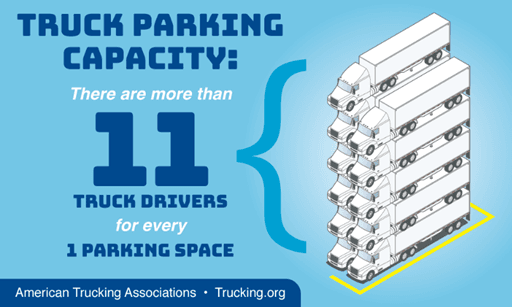
The truck parking shortage in the United States has reached crisis levels. With an estimated shortage of over 98,000 parking spaces nationwide, professional drivers spend an average of 56 minutes per day searching for safe parking. This isn't just an inconvenience—it's a safety issue, an economic problem, and a quality-of-life concern affecting hundreds of thousands of drivers.
Understanding the Scope of the Problem
The numbers tell a sobering story about the current state of truck parking in America.
The Statistics
According to recent industry studies:
- 98% of drivers report difficulty finding safe parking regularly
- 70% of drivers have violated hours-of-service rules to find parking
- 56 minutes wasted daily searching for parking (average)
- $6,813 per driver in lost income annually due to parking delays
- 40,000+ truck parking spaces needed nationwide
These aren't just statistics—they represent real challenges that drivers face every single day on the road.
Why the Shortage Exists
Several factors have contributed to the current parking crisis:
Increased Freight Volume: E-commerce growth has dramatically increased trucking demand. More trucks on the road means more demand for parking, but parking capacity hasn't kept pace.
Aging Infrastructure: Many truck stops and rest areas were built decades ago when freight volumes were much lower. They simply weren't designed for today's traffic levels.
Regulatory Changes: Hours-of-service regulations, while important for safety, have increased demand for parking as drivers must stop at specific times rather than driving until they find convenient parking.
Land Costs and Zoning: Building new truck parking facilities is expensive, and many communities resist having truck parking near residential areas due to noise and traffic concerns.
Safety and Security Concerns: Not all parking is equal. Drivers need secure, well-lit facilities, but creating and maintaining such facilities requires significant investment.
The Real-World Impact on Drivers
The parking shortage affects every aspect of a driver's professional and personal life.
Safety Consequences
When drivers can't find legal parking:
Illegal Parking: Desperate drivers park on highway shoulders, exit ramps, or other unauthorized locations. This creates safety hazards for the parked driver and other motorists.
Fatigued Driving: Some drivers push beyond their safe limits, driving tired to reach a parking location. Fatigue is a leading cause of truck accidents.
HOS Violations: Faced with the choice between violating hours-of-service rules or parking illegally, drivers often feel they have no good options.
Rushed Decisions: The pressure to find parking quickly can lead to poor choices about parking location safety and security.
Economic Impact
The parking shortage costs drivers and carriers real money:
Lost Productivity: Time spent searching for parking is time not spent moving freight. At an average of 56 minutes per day, drivers lose significant earning potential.
Fuel Costs: Circling for parking burns fuel without generating revenue. Some estimates suggest drivers waste thousands of dollars annually in fuel searching for parking.
Fines and Citations: Parking in unauthorized locations can result in expensive tickets and points on driving records.
Cargo Delays: Late deliveries due to parking delays can result in fees and damage customer relationships.
Quality of Life
Beyond safety and economics, the parking shortage affects drivers' well-being:
Stress and Anxiety: The constant worry about finding parking creates chronic stress that affects physical and mental health.
Poor Rest: Even when drivers find parking, unsafe or uncomfortable locations prevent quality rest.
Limited Amenities: Desperation parking often means no access to restrooms, showers, food, or other basic amenities.
Family Time: Time wasted searching for parking is time away from family and personal activities.
Regional Variations
The parking shortage isn't uniform across the country—some areas face more severe challenges than others.
Most Affected Regions
Northeast Corridor: High population density, limited land availability, and heavy traffic make the I-95 corridor particularly challenging for parking.
Southern California: The ports of Los Angeles and Long Beach generate massive truck traffic, but parking capacity hasn't kept pace with demand.
Chicago Area: As a major freight hub, Chicago sees intense competition for parking spaces, especially near intermodal facilities.
Texas Triangle: Rapid growth in Dallas, Houston, and San Antonio has increased freight volumes faster than parking capacity has expanded.
Timing Matters
Parking availability varies by time and day:
Peak Times: Evening hours (5-10 PM) see the highest demand as drivers reach their hours-of-service limits.
Weekends: Some facilities fill up faster on weekends when fewer trucks are moving and more drivers are taking their 34-hour restarts.
Seasonal Variations: Holiday shipping seasons see increased demand, while some routes have seasonal peaks (harvest season in agricultural areas, for example).
Current Solutions and Initiatives
Various stakeholders are working to address the parking shortage, though progress has been slow.
Government Initiatives
Federal Funding: The Infrastructure Investment and Jobs Act includes funding for truck parking improvements, but implementation takes time.
State Programs: Some states have invested in expanding rest area capacity or creating new truck parking facilities.
Public-Private Partnerships: Collaborations between government agencies and private companies aim to create new parking capacity.
Private Sector Solutions
New Facilities: Private companies are building truck parking facilities, though not fast enough to meet demand.
Technology Platforms: Apps and reservation systems help drivers find and secure available parking more efficiently.
Existing Space Optimization: Some facilities are reconfiguring layouts to fit more trucks safely.
Industry Advocacy
Trucking Associations: Organizations like the American Trucking Associations actively lobby for increased parking funding and regulatory flexibility.
Driver Voices: Social media and traditional media coverage have raised public awareness of the parking crisis.
Practical Solutions for Drivers
While systemic solutions develop, drivers need strategies to cope with the current shortage.
Planning and Technology
Route Planning: Plan your route with parking in mind, not just delivery schedules. Identify potential parking locations before you start driving.
Parking Apps: Use technology platforms like Best Truck Parking to:
- See real-time parking availability
- Reserve spots in advance
- Read reviews from other drivers
- Find alternative parking when primary options are full
Flexible Scheduling: When possible, plan to arrive at parking locations during off-peak hours. Early afternoon often offers better availability than evening.
Communication: Stay in touch with other drivers. CB radio, social media groups, and driver apps provide real-time information about parking conditions.
Alternative Parking Options
Private Facilities: Look beyond traditional truck stops. Warehouses, distribution centers, and industrial parks sometimes offer parking.
Advance Reservations: More facilities now offer reservation systems. Booking ahead guarantees a spot and eliminates search time.
Paid Parking: While free parking is ideal, paid parking is often worth the cost when it guarantees safety, security, and peace of mind.
Customer Locations: Some shippers and receivers allow drivers to park on-site. Ask about this option when scheduling deliveries.
Working with Dispatch
Set Realistic Expectations: Help dispatch understand parking challenges. Unrealistic schedules that don't account for parking time create pressure to make unsafe decisions.
Document Issues: Keep records of parking difficulties. This documentation supports requests for schedule adjustments and helps carriers understand the real-world challenges.
Communicate Early: Don't wait until you're out of hours to tell dispatch you can't find parking. Early communication allows time to find solutions.
The Role of Technology
Modern technology offers powerful tools for managing the parking shortage.
Real-Time Information
Availability Data: Apps that show real-time parking availability help you make informed decisions about where to stop.
Crowdsourced Information: Driver reviews and reports provide insights that official sources can't match.
Navigation Integration: Some systems integrate parking information with GPS navigation, helping you plan routes that include confirmed parking.
Reservation Systems
Guaranteed Spots: Reservations eliminate the uncertainty of whether parking will be available when you arrive.
Time Savings: Knowing you have a spot reserved means you can focus on driving rather than worrying about parking.
Better Planning: Reservations allow you to plan your day around confirmed parking rather than hoping to find a spot.
Future Innovations
Smart Parking: Sensors and automation may eventually allow real-time tracking of every parking space.
Dynamic Pricing: Pricing that adjusts based on demand could help distribute parking demand more evenly.
Predictive Analytics: AI could predict parking availability based on historical patterns, helping drivers plan more effectively.
Looking Ahead
Solving the truck parking shortage will require sustained effort from multiple stakeholders.
What's Needed
Infrastructure Investment: Significant funding for new parking facilities and rest area expansion.
Regulatory Support: Zoning changes and streamlined permitting to make it easier to build truck parking.
Public Awareness: Better understanding of trucking's role in the economy and the importance of adequate parking.
Industry Cooperation: Collaboration between carriers, drivers, facility operators, and technology providers.
Reasons for Optimism
Despite the challenges, there are positive signs:
- Increased federal funding for truck parking
- Growing private sector investment in parking facilities
- Technological innovations improving parking efficiency
- Greater public awareness of the issue
Conclusion
The truck parking shortage is a complex problem without easy solutions, but understanding the issue is the first step toward addressing it. While systemic changes will take time, drivers can use available tools and strategies to navigate the current challenges more effectively.
The key is planning ahead, using technology wisely, communicating clearly with dispatch, and prioritizing safety over convenience or schedule pressure.
Take control of your parking with Best Truck Parking. Our platform helps you find available parking, reserve spots in advance, and make informed decisions about where to stop. Join thousands of drivers who've reduced their parking stress and wasted time by planning ahead with real-time information and guaranteed reservations.
The parking shortage won't be solved overnight, but with the right tools and strategies, you can minimize its impact on your safety, income, and quality of life.
Stay safe, plan ahead, and keep rolling.
Share this article
Help other truck drivers discover this content