

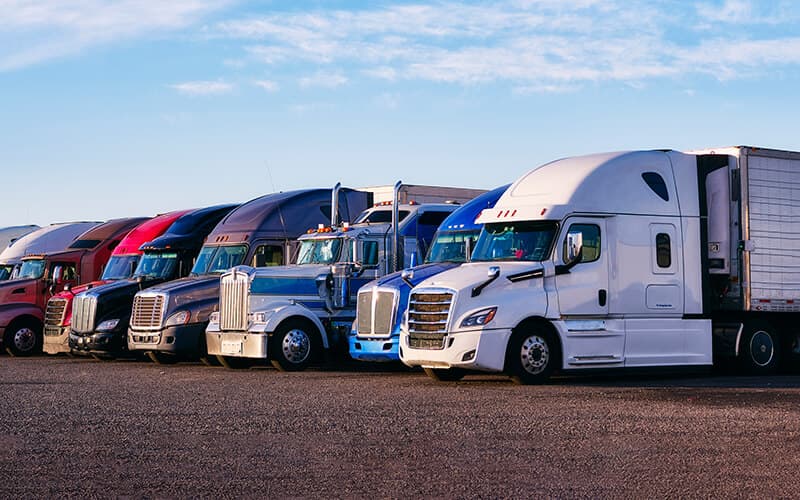
When you park for the night, you're trusting that your truck, cargo, and personal safety will remain secure while you sleep. Unfortunately, cargo theft costs the trucking industry billions annually, and drivers face various security risks at parking facilities. Understanding security threats and implementing protective measures can significantly reduce your risk and help you rest easier.
Understanding the Threats
Knowledge of potential security risks is the first step in protecting yourself.
Cargo Theft
Cargo theft is a sophisticated, organized crime affecting the trucking industry nationwide.
Common Theft Methods:
Strategic Theft: Criminals target specific high-value loads, often using inside information about shipments.
Opportunistic Theft: Thieves look for easy targets—unsecured trailers, valuable cargo left visible, or trucks parked in isolated areas.
Trailer Theft: Entire trailers are stolen and moved to secure locations where thieves can access cargo without time pressure.
Pilferage: Small amounts of cargo are stolen, sometimes going unnoticed until delivery.
High-Risk Cargo:
- Electronics (phones, computers, TVs)
- Pharmaceuticals
- Designer clothing and accessories
- Alcohol and tobacco products
- Copper and other metals
- Food products (especially meat and seafood)
Personal Safety Threats
Drivers themselves can be targets for various crimes.
Common Threats:
- Robbery or assault
- Vehicle break-ins while sleeping
- Scams and fraud
- Harassment
- Identity theft
Equipment Theft
Beyond cargo, your truck and its components have value to thieves.
Targeted Items:
- Fuel (diesel theft from tanks)
- Batteries
- Tires and wheels
- GPS units and electronics
- Tools and equipment
- Personal belongings
Choosing Secure Parking Locations
Your first line of defense is selecting parking locations with strong security features.
Essential Security Features
Perimeter Security:
- Fencing around the entire facility
- Limited, controlled access points
- Clear boundaries between parking and surrounding areas
Surveillance Systems:
- HD cameras covering all parking areas
- 24/7 recording with cloud backup
- Cameras at entry/exit points
- Visible camera presence (deters criminals)
Lighting:
- Bright, consistent lighting throughout the lot
- No dark corners or blind spots
- LED lights that don't create harsh shadows
- Emergency lighting backup systems
Access Control:
- Gated entry requiring codes or cards
- Security personnel checking vehicles
- Visitor log systems
- Restricted access to parking areas
On-Site Security:
- Trained security staff on duty 24/7
- Regular patrols of parking areas
- Quick response to incidents
- Clear emergency procedures
Location Assessment
Before parking, evaluate the surrounding area:
Positive Indicators:
- Well-maintained facility
- Active security presence
- Other trucks parked (safety in numbers)
- Good visibility from main roads
- Nearby businesses or residences
- Low crime area
Warning Signs:
- Isolated location
- Poor maintenance
- Broken fencing or gates
- Non-functioning lights or cameras
- Suspicious individuals loitering
- Previous theft reports
Physical Security Measures
Implement multiple layers of physical security on your truck and trailer.
Trailer Security
Locks and Seals:
Door Locks: Use heavy-duty padlocks rated for commercial use. Cheap locks can be cut in seconds.
Kingpin Locks: Prevent unauthorized coupling of your trailer. Essential if you drop trailers.
Glad-Hand Locks: Prevent someone from connecting air lines and moving your trailer.
Security Seals: Use tamper-evident seals that show clearly if someone has accessed your cargo.
Parking Strategy:
Back Against Barriers: Park with your trailer doors against a wall, fence, or another trailer when possible.
Strategic Positioning: Park where your trailer is visible from security cameras and high-traffic areas.
Avoid Isolation: Don't park in remote corners. Stay near other trucks and facility buildings.
Exit Planning: Park so you can leave quickly if needed without complex maneuvers.
Truck Security
Cab Protection:
Lock Everything: Doors, windows, sleeper berth access—lock it all, every time.
Hide Valuables: Don't leave phones, laptops, or other valuables visible. Store them out of sight.
Secure Tools: Lock tools and equipment in storage compartments.
Fuel Security: Use locking fuel caps to prevent diesel theft.
Alarm Systems:
Consider installing:
- Perimeter alarms that alert you to anyone approaching your truck
- Motion sensors inside the cab
- Glass break sensors
- Loud audible alarms to deter thieves
Technology Solutions
Modern technology provides powerful security tools for drivers.
GPS Tracking
Truck and Trailer Tracking:
- Real-time location monitoring
- Geofencing alerts if vehicle moves unexpectedly
- Historical tracking data
- Recovery assistance if theft occurs
Cargo Tracking:
- Specialized devices that track cargo separately from the trailer
- Temperature and condition monitoring for sensitive loads
- Alerts for unauthorized access
Security Cameras
Dash Cams and External Cameras:
- Front and rear-facing cameras
- Side-view cameras covering blind spots
- Motion-activated recording
- Cloud storage of footage
- Smartphone alerts for detected motion
Benefits:
- Deterrent effect (visible cameras discourage theft)
- Evidence if incidents occur
- Insurance claim support
- Peace of mind while sleeping
Communication and Monitoring
Smartphone Apps:
- Remote monitoring of your truck
- Security system controls
- Communication with facility security
- Emergency contact features
Two-Way Communication:
- CB radio for contacting nearby drivers
- Direct lines to facility security
- Emergency services on speed dial
Operational Security Practices
How you handle information and conduct operations affects your security.
Information Security
What Not to Share:
Cargo Details: Never discuss what you're hauling on CB radio, social media, or with strangers.
Route Information: Don't share your specific route or schedule publicly.
Parking Plans: Avoid announcing where you'll be parking for the night.
Load Values: Never discuss the value of your cargo.
Communication Security:
Verify Contacts: Confirm the identity of anyone requesting information about your load.
Secure Channels: Use encrypted communication for sensitive information.
Dispatcher Coordination: Keep dispatch informed of your location and any security concerns.
Routine Variations
Avoid Predictable Patterns:
Criminals sometimes surveil drivers to learn their patterns. Vary your:
- Parking locations
- Rest times
- Routes (when possible)
- Stopping patterns
Random Checks:
Periodically check your truck and trailer at irregular intervals. Thieves watching for patterns will be deterred by unpredictability.
Personal Safety Practices
Protecting yourself is as important as protecting your cargo.
Situational Awareness
Constant Vigilance:
Arrival Assessment: Survey the parking area before exiting your truck. Look for anything unusual.
Trust Your Instincts: If something feels wrong, it probably is. Find alternative parking.
Stay Alert: Avoid being absorbed in your phone or wearing headphones when outside your truck.
Note Your Surroundings: Know where exits are, where other people are, and where you can get help.
Personal Security Measures
Safety Tools:
Phone: Keep it charged and accessible at all times.
Flashlight: A bright flashlight is both a safety tool and potential defensive tool.
Personal Alarm: Loud alarms can deter attackers and summon help.
Self-Defense: Consider legal self-defense tools appropriate for your situation and local laws.
Safe Practices:
Lock Yourself In: Always lock doors when inside your truck.
Window Awareness: Keep windows closed or only slightly cracked.
Stranger Danger: Be cautious about who you interact with and what information you share.
Emergency Plan: Know local emergency numbers and have a plan for different scenarios.
Incident Response
Despite precautions, incidents can occur. Know how to respond.
If You Suspect Theft or Tampering
Immediate Actions:
-
Don't Confront: Never confront suspected thieves. Your safety is more important than cargo.
-
Call Authorities: Contact local law enforcement immediately.
-
Document Everything: Take photos, note times, preserve evidence.
-
Notify Dispatch: Inform your company immediately.
-
Check Seals and Locks: Inspect all security measures for tampering.
If You Feel Threatened
Personal Safety Priority:
-
Stay in Your Truck: Your locked truck is your safe space.
-
Call 911: Don't hesitate to contact emergency services.
-
Drive Away: If you can safely leave, do so.
-
Make Noise: Use your horn to attract attention.
-
Document: Note descriptions, license plates, any identifying information.
Reporting and Follow-Up
Proper Documentation:
- File police reports for all incidents
- Notify your insurance company
- Report to facility management
- Share information with other drivers (help them avoid similar situations)
- Follow company protocols for incident reporting
Working with Facilities
Build relationships with secure facilities and their staff.
Communication with Security
Arrival Notification: Let security know you're there and where you're parked.
Suspicious Activity: Report anything unusual to facility security immediately.
Emergency Contact: Know how to reach security quickly if needed.
Facility Loyalty
Regular Stops: Using the same secure facilities regularly builds familiarity with staff.
Feedback: Provide feedback about security concerns or suggestions for improvements.
Reviews: Share your experiences to help other drivers find secure facilities.
Insurance and Financial Protection
Proper insurance is your financial safety net.
Coverage Types
Cargo Insurance: Protects the value of the load you're hauling.
Physical Damage: Covers your truck and trailer.
General Liability: Protects against various liability claims.
Personal Property: Covers your belongings in the truck.
Documentation for Claims
Maintain records that support insurance claims:
- Photos of cargo and seals
- Parking location documentation
- Security measures used
- Timeline of events
- Police reports
- Witness information
Conclusion
Overnight parking security requires vigilance, planning, and multiple layers of protection. No single measure guarantees complete security, but combining secure location selection, physical security measures, technology solutions, and smart operational practices significantly reduces your risk.
Remember that your personal safety always comes first. No cargo is worth putting yourself in danger. If a situation feels unsafe, trust that feeling and find alternative parking.
Find secure parking with confidence using Best Truck Parking. Our platform provides detailed security information for thousands of facilities, including surveillance systems, lighting, fencing, and security personnel. Read reviews from fellow drivers about their security experiences, and reserve spots at facilities with proven track records of keeping drivers and cargo safe.
Your security is your responsibility, but you don't have to handle it alone. Use available resources, stay informed, and make smart decisions about where and how you park.
Stay safe, stay secure, and rest easy knowing you've done everything possible to protect yourself and your cargo.
Share this article
Help other truck drivers discover this content